Septic System Relocation in Denver, CO
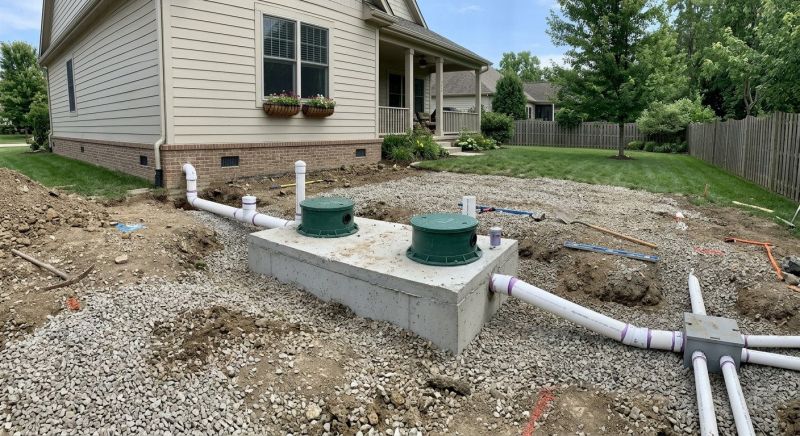
Septic system relocation services involve moving an existing septic tank and drain field to a new location on a property. This process is often needed when property owners plan construction projects, such as building additions, driveways, or landscaping, that interfere with the current septic system. The service includes carefully excavating and removing the old system, then installing and connecting a new system in a suitable area that meets local regulations and soil conditions. Property owners typically want to understand the scope of work, site requirements, and any potential disruptions to their property during the relocation process.
Before requesting septic system relocation, homeowners should consider factors such as the size and type of their current system, the new site’s suitability, and local codes that govern septic installations. It’s also important to evaluate the distance from existing structures, property boundaries, and access for equipment. Understanding these details helps ensure the project aligns with property plans and avoids future issues related to system function or compliance. Proper planning and clear communication about these aspects can facilitate a smooth and successful relocation process.
Many property owners in Denver, CO look into Septic System Relocation for repairs, replacements, upgrades, and appearance-related improvements.
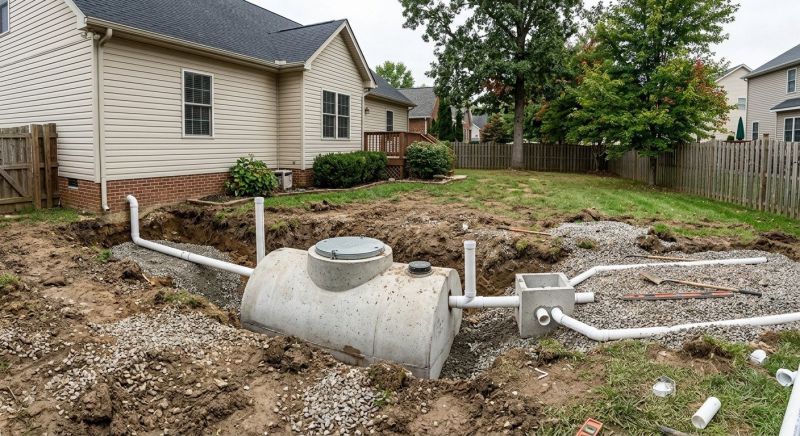
Septic System Relocation Planning
Assessing site conditions and designing a new septic layout to meet property needs.
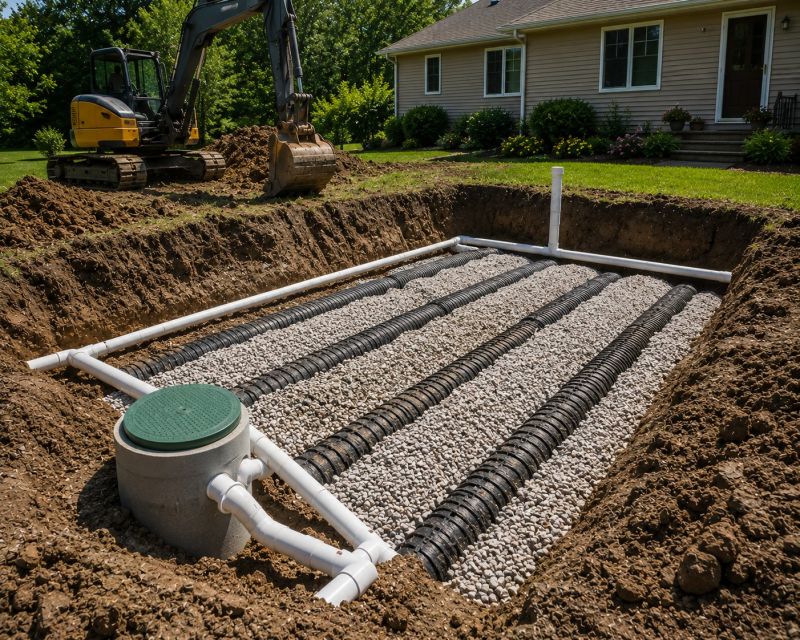
Septic System Moving Process
Safely disconnecting, transporting, and installing the septic system at a new location.
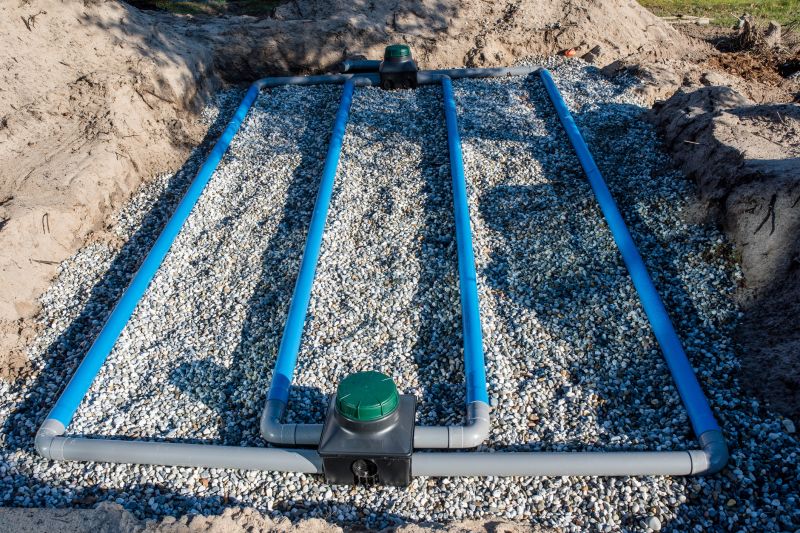
Property Considerations
Ensuring proper setbacks, access, and compliance with local regulations in denver and nearby areas.
Septic System Relocation in Denver, CO

Septic system relocation services involve moving an existing septic tank and drain field to a new location on a property. This process is often needed when property owners plan construction projects, such as building additions, driveways, or landscaping, that interfere with the current septic system. The service includes carefully excavating and removing the old system, then installing and connecting a new system in a suitable area that meets local regulations and soil conditions. Property owners typically want to understand the scope of work, site requirements, and any potential disruptions to their property during the relocation process.
Before requesting septic system relocation, homeowners should consider factors such as the size and type of their current system, the new site’s suitability, and local codes that govern septic installations. It’s also important to evaluate the distance from existing structures, property boundaries, and access for equipment. Understanding these details helps ensure the project aligns with property plans and avoids future issues related to system function or compliance. Proper planning and clear communication about these aspects can facilitate a smooth and successful relocation process.
Many property owners in Denver, CO look into Septic System Relocation for repairs, replacements, upgrades, and appearance-related improvements.
Common Septic System Relocation Jobs
Septic System Relocation - Moving an existing septic system to accommodate property development or landscaping projects.
Septic System Replacement - Replacing outdated or damaged septic tanks to ensure proper waste management.
Septic System Expansion - Extending the system to serve additional structures or larger property areas.
Septic System Site Assessment - Evaluating land conditions to determine the best location for relocation or new installation.
Septic System Excavation - Digging and removing the old system to prepare for a new setup or relocation.
Septic System Design Consultation - Planning the layout and placement of the system to meet property needs and regulations.
Septic System Relocation Questions
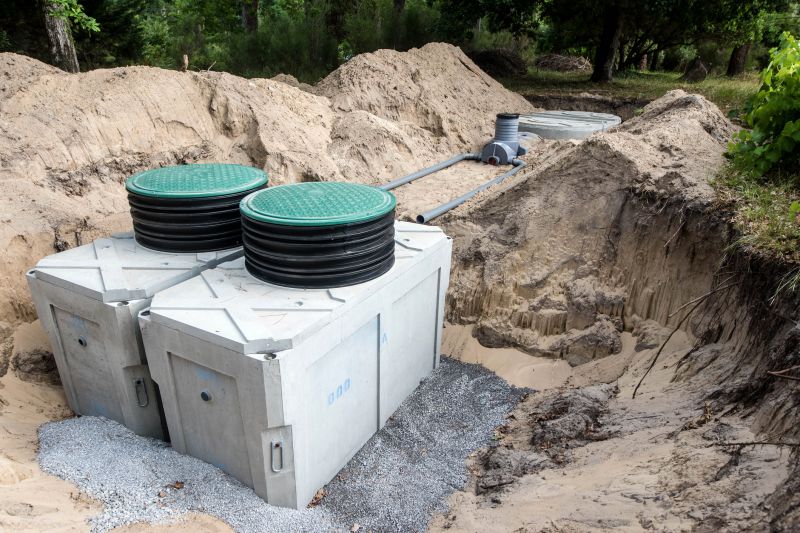
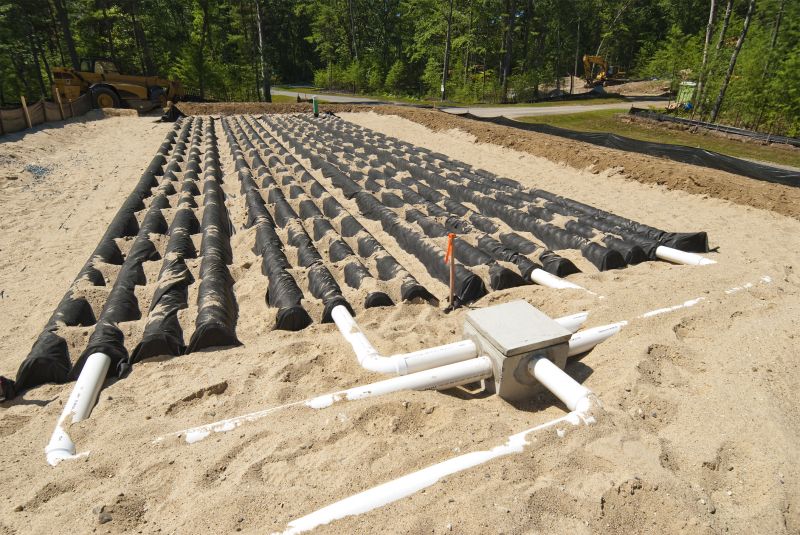
What is involved in relocating a septic system? The process includes assessing the site, designing a new system location, excavating, and installing the new components to ensure proper function and compliance.
Why might a property owner need to move a septic system? Reasons include property expansion, new construction, or issues with the current system that require it to be repositioned for better performance.
What should property owners consider before relocating a septic system? It's important to evaluate soil conditions, accessibility, and the distance from existing structures to ensure a successful move.
Is septic system relocation disruptive to the property? Relocation involves excavation and site work, which can temporarily impact the landscape but is managed to minimize disturbance.
Request Septic System Relocation in Denver, CO
Use the quote form on this page to share the basics of your project and request more information for the type of work you need.