Septic System Relocation in Columbus, OH
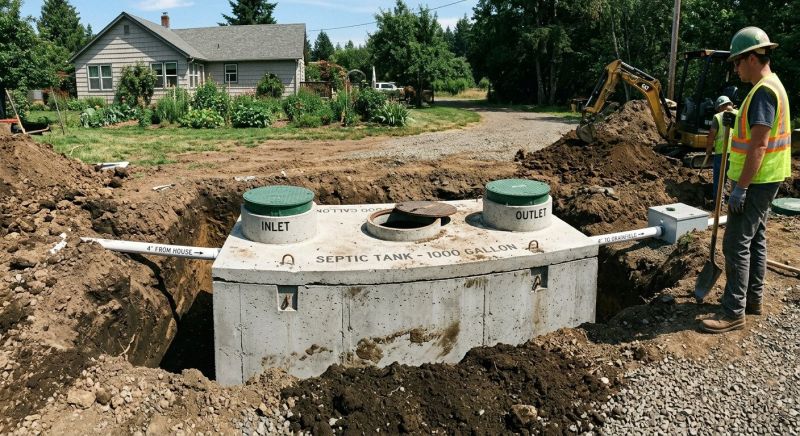
Septic system relocation services involve moving an existing septic tank and drain field to a new location on a property. This type of project is often needed when a property owner plans to build an addition, renovate an existing structure, or change the layout of the property that impacts the current septic system. The process typically includes assessing the site, designing a suitable new system, and carefully excavating and installing the components in compliance with local regulations. Homeowners considering this service should understand the importance of proper site evaluation, potential permits, and the impact on property use during the relocation process.
Before requesting septic system relocation, property owners usually want to know if their site allows for a new installation, what the potential costs might be, and how the move could affect property value or future maintenance. It’s also important to consider the distance from existing structures, access to the new location, and any necessary adjustments to the system’s design to accommodate soil conditions or local codes. Gathering detailed information about these factors can help ensure the project proceeds smoothly and meets all necessary requirements.
Many property owners in Columbus, OH look into Septic System Relocation for repairs, replacements, upgrades, and appearance-related improvements.
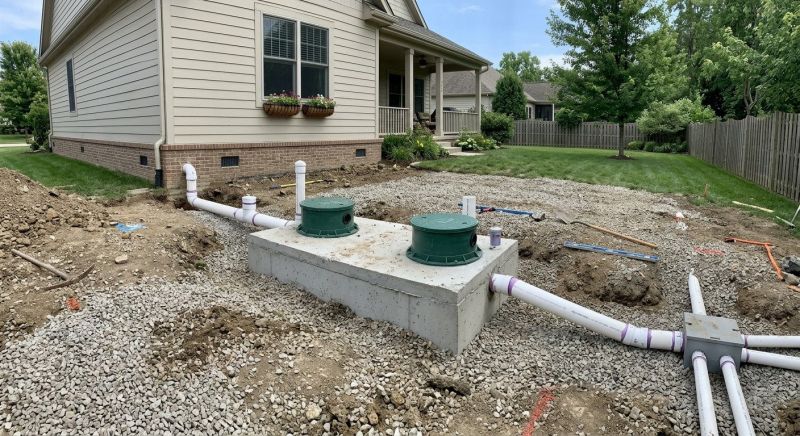
Septic System Relocation Planning
Proper planning ensures the new location meets property and code requirements.
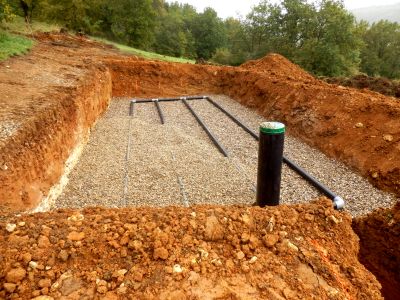
Septic System Transfer Process
Relocating a septic system involves careful excavation, installation, and system testing.
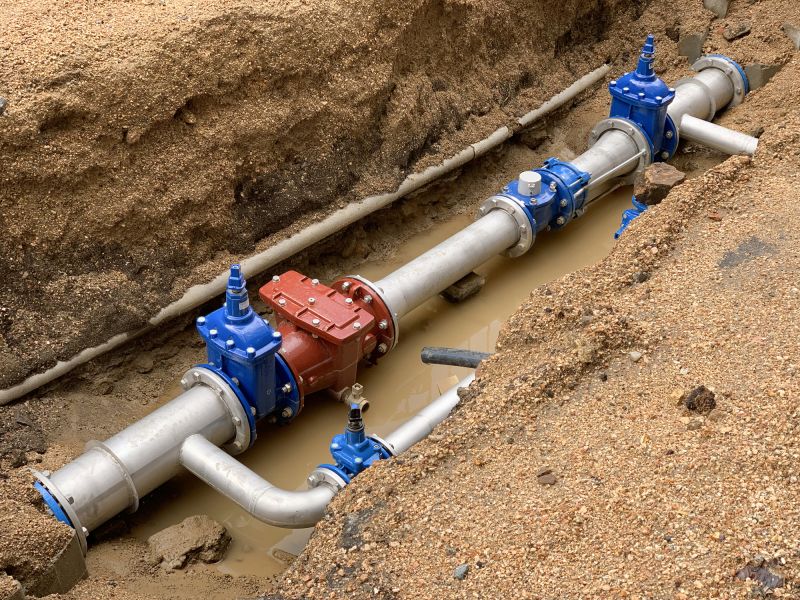
Septic System Maintenance After Move
Post-relocation care helps maintain system functionality and longevity on properties near columbus, oh.
Septic System Relocation in Columbus, OH

Septic system relocation services involve moving an existing septic tank and drain field to a new location on a property. This type of project is often needed when a property owner plans to build an addition, renovate an existing structure, or change the layout of the property that impacts the current septic system. The process typically includes assessing the site, designing a suitable new system, and carefully excavating and installing the components in compliance with local regulations. Homeowners considering this service should understand the importance of proper site evaluation, potential permits, and the impact on property use during the relocation process.
Before requesting septic system relocation, property owners usually want to know if their site allows for a new installation, what the potential costs might be, and how the move could affect property value or future maintenance. It’s also important to consider the distance from existing structures, access to the new location, and any necessary adjustments to the system’s design to accommodate soil conditions or local codes. Gathering detailed information about these factors can help ensure the project proceeds smoothly and meets all necessary requirements.
Many property owners in Columbus, OH look into Septic System Relocation for repairs, replacements, upgrades, and appearance-related improvements.
Common Septic System Relocation Jobs
Septic System Relocation - involves moving an existing septic system to a new area on the property.
Site assessment services - help determine the best location for the new septic system.
Permitting and planning - ensure the relocation complies with local regulations and codes.
Excavation and installation - include digging and installing the new septic components safely.
Drain field transfer - involves relocating the drain field to maintain proper waste treatment.
System decommissioning - safely shut down and remove the old septic system after relocation.
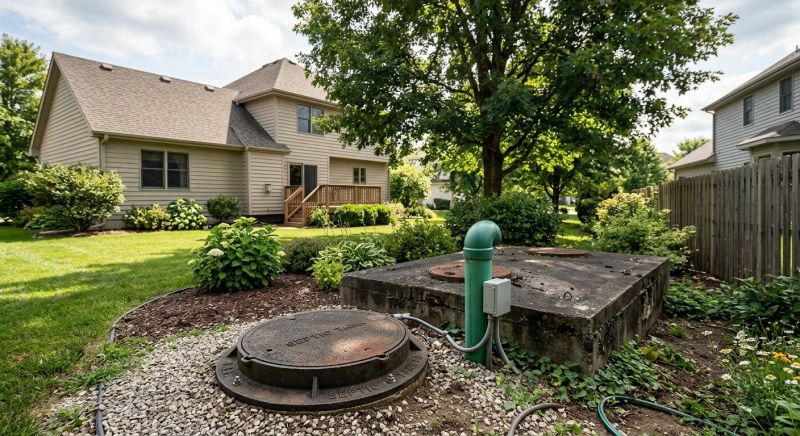
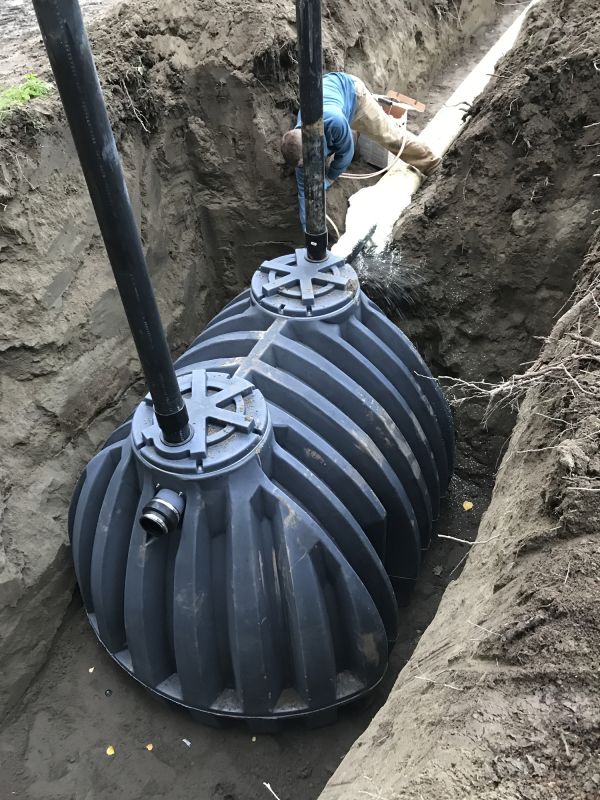
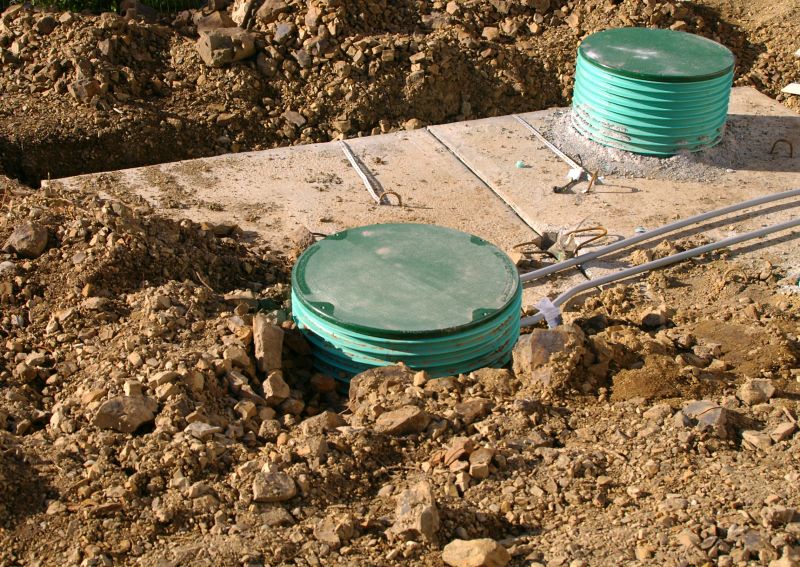
Septic System Relocation Questions
Why might a septic system need to be relocated? Septic systems may need to be moved due to property development, new construction, or changes in land use that affect existing installation areas.
What should property owners consider before relocating a septic system? It's important to evaluate soil conditions, available space, and local regulations to ensure proper placement and functioning after relocation.
Are there specific restrictions on where a septic system can be relocated? Yes, regulations typically specify minimum distances from wells, property lines, and buildings to ensure safety and compliance.
What types of projects often involve septic system relocation? Projects such as building additions, lot splits, or driveway expansions may require moving an existing septic system to accommodate new layouts.
Request Septic System Relocation in Columbus, OH
Use the quote form on this page to share the basics of your project and request more information for the type of work you need.