Drain Blockage Removal in Denver, CO
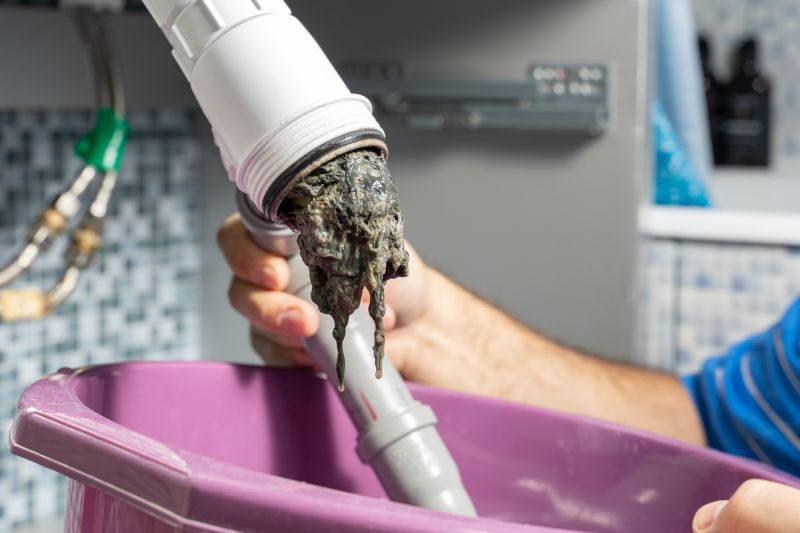
Drain blockage removal services focus on clearing obstructions within residential plumbing systems to restore proper water flow. These services typically address common issues such as clogged sinks, toilets, shower drains, and main sewer lines. Projects may involve removing buildup of grease, hair, soap scum, or foreign objects that can cause slow drainage or backups. Homeowners often seek this service when experiencing persistent clogs, foul odors, or water pooling, aiming to prevent more serious plumbing problems and ensure smooth operation of household drains.
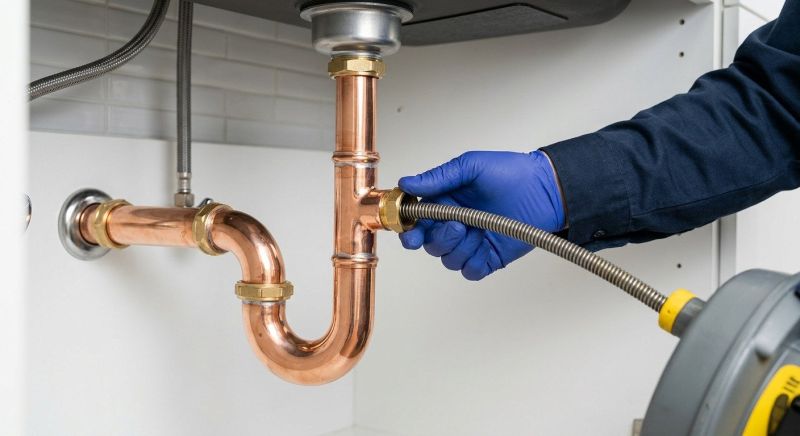
Before requesting drain blockage removal, property owners usually want to understand the scope of the work involved, including whether the blockage is localized or affects the main sewer line. It's also helpful to know the methods used, such as hydro-jetting or drain snaking, and whether any property modifications are necessary. Clarifying these details can help homeowners prepare for the process and ensure the service addresses the specific drainage issues affecting their property.
Many property owners in Denver, CO look into Drain Blockage Removal for repairs, replacements, upgrades, and appearance-related improvements.
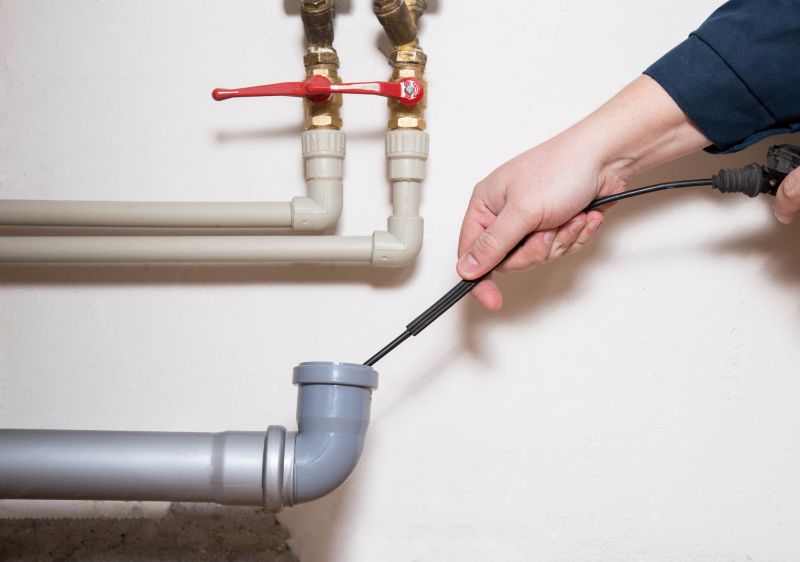
Signs Of Drain Blockage
Slow draining sinks and foul odors often indicate a blockage in the pipes.
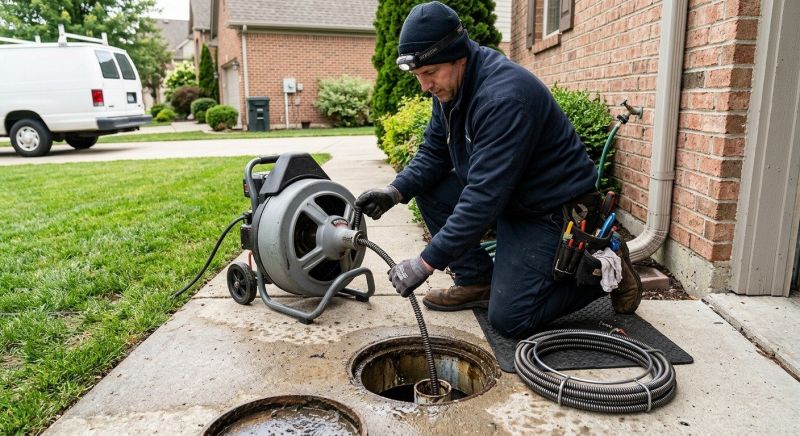
Common Causes Of Blockages
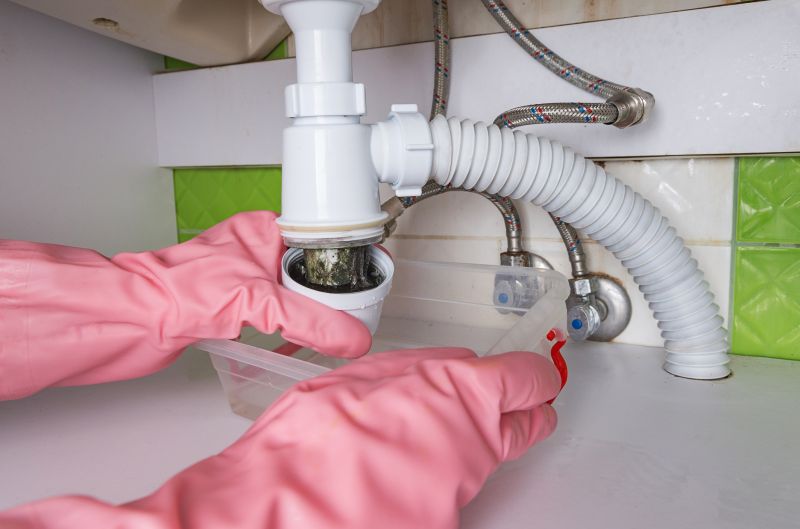
Grease buildup, hair, and debris are typical causes of drain obstructions in residential properties.
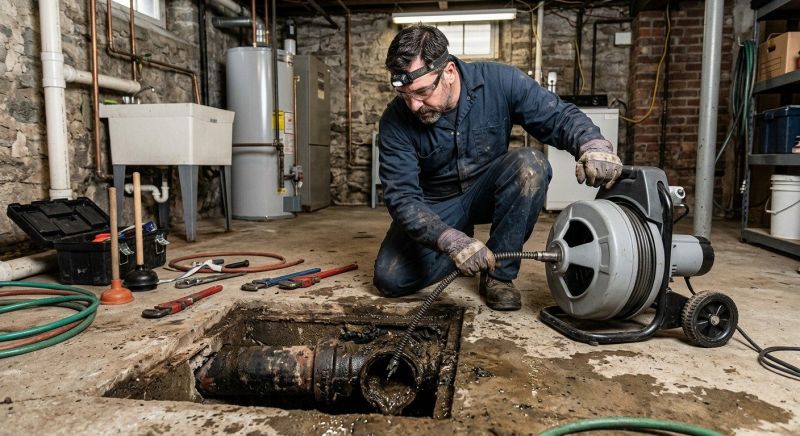
Preventive Maintenance Tips
Regularly avoiding pouring fats and oils down drains can help prevent future blockages in denver homes.
Drain Blockage Removal in Denver, CO

Drain blockage removal services focus on clearing obstructions within residential plumbing systems to restore proper water flow. These services typically address common issues such as clogged sinks, toilets, shower drains, and main sewer lines. Projects may involve removing buildup of grease, hair, soap scum, or foreign objects that can cause slow drainage or backups. Homeowners often seek this service when experiencing persistent clogs, foul odors, or water pooling, aiming to prevent more serious plumbing problems and ensure smooth operation of household drains.
Before requesting drain blockage removal, property owners usually want to understand the scope of the work involved, including whether the blockage is localized or affects the main sewer line. It's also helpful to know the methods used, such as hydro-jetting or drain snaking, and whether any property modifications are necessary. Clarifying these details can help homeowners prepare for the process and ensure the service addresses the specific drainage issues affecting their property.
Many property owners in Denver, CO look into Drain Blockage Removal for repairs, replacements, upgrades, and appearance-related improvements.
Common Drain Blockage Removal Jobs
Kitchen drain clearing - removes blockages caused by grease, food debris, or soap buildup.
Bathroom drain unblocking - addresses clogs in sinks, showers, and tubs for smooth drainage.
Main sewer line cleaning - clears obstructions in the main sewer to prevent backups and overflows.
Floor drain clearing - ensures proper drainage in basements, garages, and utility areas.
Outdoor drain cleaning - removes debris and obstructions from yard and stormwater drains.
Pipe inspection and removal - identifies the cause of blockages with camera technology before clearing.
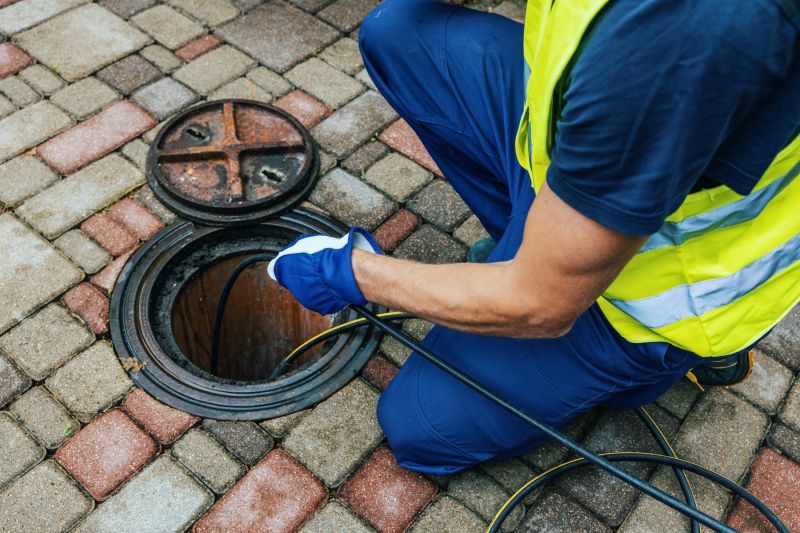
Drain Blockage Removal Questions
What causes drain blockages? Common causes include grease buildup, hair, soap scum, and foreign objects that obstruct the pipes.
How can I tell if a drain is blocked? Signs include slow draining water, gurgling sounds, or unpleasant odors coming from the drain.
Are drain blockages harmful to property? Yes, persistent blockages can lead to water damage, mold growth, and unpleasant odors if not addressed promptly.
What types of drains can be cleared? Services typically cover kitchen sinks, bathroom drains, toilets, and outdoor sewer lines.
Request Drain Blockage Removal in Denver, CO
Use the quote form on this page to share the basics of your project and request more information for the type of work you need.